Stumbled on this family restaurant run out of their own home. Only cash by the way but very affordable. Such a homey feel once you walk in with a beautiful garden view from the dining area. Service was very quick and friendly. We ordered the calamari and bolognese. I usually like my pasta al dente but the spaghetti was so flavorful. Almost like it was cooked in the sauce for a while. I could've ate the spaghetti by itself. Very reminiscent of your grandma cooking for you. Calamari was very fresh. Nice and crispy on the outside and moist on the inside with nice seasoning. Fries were crispy. We were even served free fruit before we left. Honeydew was not overly sweet. I usually don't enjoy it but this was very good. I love finding these middle of nowhere restaurants that really give you a feel of home cooking in the country, don't burn a hole in your wallet and surprise you. Thank you!
Overview
Walking into Taverna Alekos feels like stepping into a friend’s home where the kitchen has been busy all day. Tucked away on Dim. Stefanidi, Vori 702 00, Greece, this family-run diner captures what traditional Greek food culture is really about: slow cooking, simple ingredients, and recipes that have survived because they work. I first visited on a warm afternoon after being told by a local shop owner that this was the place where people still eat the way their grandparents did. That recommendation turned out to be spot on.
The menu reads like a greatest-hits list of Cretan and mainland Greek comfort food. You will find dishes such as lamb cooked low and slow, fresh fish brought in the same morning, and vegetables that taste like they were pulled from the ground an hour earlier. One dish the owner proudly described as home-style cooking arrived in a clay pot still bubbling, the kind of presentation you rarely see outside rural kitchens. Watching how the staff plates each order, without rushing or shortcuts, makes it clear that the process matters as much as the final taste.
What stands out is how the food aligns with what nutrition researchers often praise about the Mediterranean diet. Studies from institutions like Harvard School of Public Health have linked diets rich in olive oil, legumes, vegetables, and lean proteins to lower risks of heart disease and longer life expectancy. At this taverna, those ideas are not trends; they are habits. Olive oil is used generously but thoughtfully, and meat portions are balanced with salads, greens, and bread baked locally. It’s an everyday example of how traditional food practices often match modern health research.
During one visit, I spoke briefly with the cook, who explained that many recipes follow methods passed down through generations. Slow braising, seasonal menus, and minimal processing are not marketing choices but practical ones. This approach mirrors guidance from organizations like UNESCO, which recognizes Mediterranean food culture as an intangible cultural heritage. Eating here feels less like dining out and more like participating in that living tradition.
Reviews from both locals and travelers often mention consistency, and that has been my experience too. On different days and at different times, the flavors remain steady, which says a lot about kitchen discipline. One regular customer told me he eats here twice a week because he trusts the ingredients. That trust is earned through transparency; the staff is happy to explain where the cheese comes from or why a certain fish is only available on specific days.
The location itself adds to the charm. Being in Vori, away from heavily touristic areas, keeps the atmosphere relaxed. Tables are close enough for conversation, and it’s common to hear neighboring diners discussing the menu or offering opinions on the daily specials. That social energy is part of the experience, reinforcing the idea of authentic Greek taverna culture rather than a polished restaurant concept.
Of course, like many traditional diners, there are limitations. The menu does not change dramatically, and those looking for modern fusion dishes may feel constrained. However, that consistency is also the reason people return. When a place focuses on doing a few things well, rather than many things halfway, it builds credibility over time.
In a dining world often driven by trends and online hype, this taverna stands quietly confident. It relies on word of mouth, repeat visitors, and food that speaks for itself. From the way the menu is structured to the care taken in preparation, every detail reflects experience, knowledge, and respect for tradition. That combination is what turns a simple meal into something memorable, and why so many reviews describe their visits as genuinely satisfying rather than just convenient.
Good to know
Service options
✓ Outdoor seating ✓ On-site services ✓ Takeaway ✓ Dine-in ✓ DeliveryHighlights
✓ Fireplace ✓ SportAccessibility
✓ Wheelchair-accessible entrance ✓ Wheelchair-accessible seating ✓ Assistive hearing loop ✓ Wheelchair-accessible car park ✓ Wheelchair-accessible toiletOfferings
✓ Alcohol ✓ Beer ✓ Cocktails ✓ Coffee ✓ Organic dishes ✓ Small plates ✓ Spirits ✓ Vegan options ✓ Vegetarian options ✓ WineDining options
✓ Brunch ✓ Lunch ✓ Dinner ✓ Catering ✓ Counter service ✓ Dessert ✓ SeatingAmenities
✓ Gender-neutral toilets ✓ Toilet ✓ Wi-Fi ✓ Wi-FiCrowd
✓ Family friendly ✓ LGBTQ+ friendly ✓ Transgender safe spacePlanning
✓ Accepts reservationsPayments
✓ Debit cards ✓ NFC mobile paymentsChildren
✓ Good for kids ✓ High chairs ✓ Kids' menuParking
✓ Free of charge street parking ✓ Free parking lot ✓ ParkingPets
✓ Dogs allowed ✓ Dogs allowed inside ✓ Dogs allowed outsidePhotos
Location
Reviews
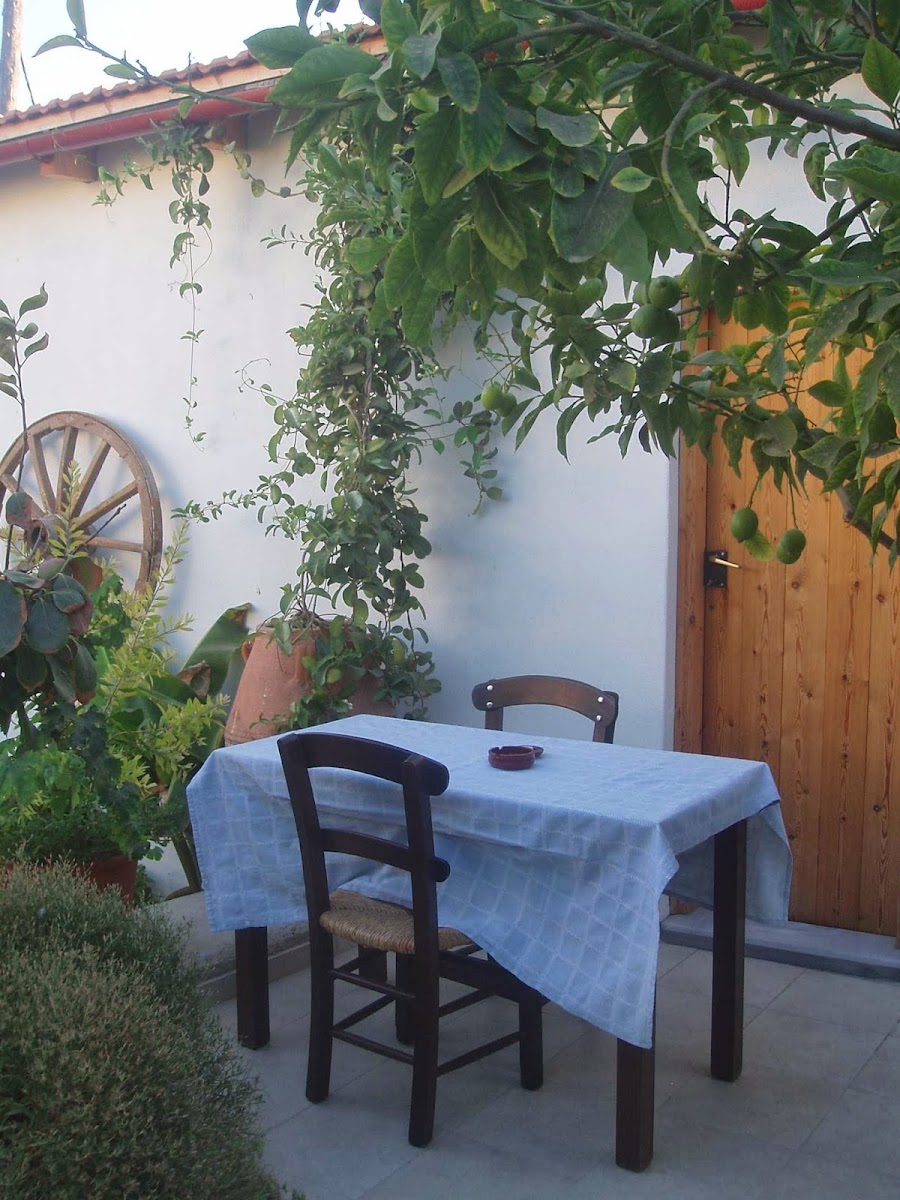
You feel at home in this small taverna under a shed at the end of a walled-in garden full of potted plants. The couple who welcome .you and cook are so kind ( incidentally they both speak a fluent French as they lived in Begium in a distant past) . My relish was the snails, all local food, tasting delicious.
Excellent food in a beautiful garden courtyard. The gentleman that runs the places was exceptionally friendly, making our stop at Vori a very pleasant experience.
A gem of a place tucked away behind the church with tables in the shade overlooking a delightful collection of fruit trees and flowers. Idylic. The traditional Greek food on the menu was spot on. Highly recommended.
Delicious, freshly prepared food by a wonderful couple who make their own olive oils and vinegars. This is a gem of a taverna away from the touristy areas of Agia Galini and Matala. We came here twice and we were the only ones here. We sat in the spotless shady veranda surrounded by beautifully tended plants. If you are looking for fresh and authentic Cretan food, this is the place for you!
Wonderful traditional Greek food in a very nice home and garden. We stood outside as the weather was great. There aren't many tables so it's a nice and intimate place, quiet too. Make sure to have cash with you as many Greek tavernas accept only cash.
Wonderful place in the middle of nowhere! The owner of the place was very friendly and the food was yummy! Only one bad point : No POS! The nearest ATM is into Timpaki village
Thank you for this wonderful moment when we take the time to cook and chat. We recommend this little discovery corner of real flavors. G&Z